
Gilt mirrors and ornate frames
Decorative plaster and carved gilding can chip easily. We plan for corner protection and a protective face covering without pressure on raised detail; especially delicate pieces may require a purpose-made crate.
Careful handling for older and delicate furniture
A longcase clock, a veneered cabinet or an heirloom dining table deserves a moving plan built around its construction, condition and finishes — not just its weight.
We can plan antique furniture removals and transport for delicate family heirlooms, period pieces and longcase clocks. Older furniture may contain fragile veneers, repaired joints, ornamental carving, glass panels or parts that were never designed to withstand the stresses of an ordinary furniture move.
Before moving an unusual or high-value item, we need to know its dimensions, approximate weight, condition, access at both addresses and whether any specialist conservator, clockmaker or furniture restorer should be involved. A careful survey is particularly important where an item is exceptionally fragile or valuable.
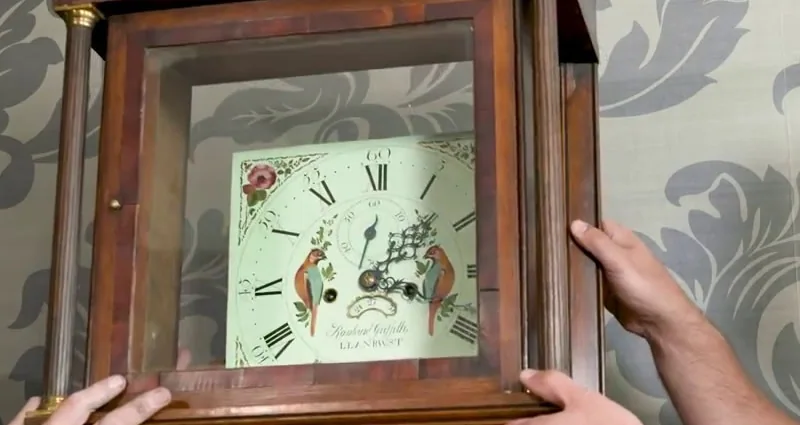
Grandfather clocks contain a delicate movement, pendulum and often multiple weights. The safe approach depends on the clock's design. Do not simply lay a running clock down in the back of a van. We discuss the clock's condition and plan the following preparation with the owner or a competent clock specialist as appropriate.
Important: Correctly returning the weights and pendulum helps preserve the clock's setup, but it does not guarantee accurate timekeeping after a journey. If a clock is out of beat, stops, chimes incorrectly or needs calibration, a qualified horologist should inspect it. We will not attempt an unapproved mechanical repair.
Some dining tables have removable tops, leaves, pedestal feet or fragile drop-leaf hinges. Other pieces depend on original wooden pegs and traditional joints that should not be treated like modern flat-pack furniture. We assess what can safely be dismantled, label the components and protect vulnerable edges during handling.
With display cabinets and glazed bookcases, loose shelves, keys, glass doors and internal fittings may need to be packed separately. We avoid using delicate handles or decorative cornices as lifting points and check the route for tight turns and low doorways before moving.
Antique surfaces can be more sensitive than contemporary factory-applied finishes. Bubble wrap or stretch film pressed directly against a polished or delicate surface may mark it, particularly if moisture, heat or prolonged contact is involved. We can discuss appropriate soft, clean barriers, furniture blankets, edge protection and rigid protection for projecting details.
Existing damage, loose veneer or historic repairs should be photographed before lifting. When a piece needs conservation advice or a custom crate, we would assess this rather than assume ordinary wrapping is sufficient.
Decorative plaster and carved gilding can chip easily. We plan for corner protection and a protective face covering without pressure on raised detail; especially delicate pieces may require a purpose-made crate.
The frame, glazing and painted surface all need consideration. Large or valuable works may require fine-art packing advice and protection from vibration and direct contact with the artwork.
A removable stone top needs support over its full span and careful handling to avoid cracks. We confirm whether the top is fixed, its weight and whether specialist lifting equipment is necessary.
Secure drawers and loose contents; check for sensitive locks, delicate escutcheons, unsupported legs and older repairs before lifting. Keys and removable fittings should be labelled and kept safe.
Send clear photographs of the piece from several angles, approximate measurements, any known damage or restoration, the pickup and delivery locations and photographs of stairs, entrances and difficult access points. Tell us if the item is an insured collection, an auction purchase, a family heirloom or part of a larger house removal. The required protection and insurance terms will be confirmed before any booking.
Send the scope, postcodes and dates so we can discuss the right arrangements.