
Reception and lobby areas
Remove agreed reception seating, tables, freestanding displays and other loose furnishings while protecting surfaces and access routes as required.
Hotels, hospitality interiors & refurbishment projects
From a rolling bedroom refurbishment to clearing an entire hotel before redevelopment, plan the furniture, fixtures and equipment removal in practical phases.
Hotel clearances require planning around guest areas, goods lifts, loading restrictions and refurbishment schedules. Our dedicated clearance operation, Ravenhill Clearance Services Ltd, can assess hotel furniture, fixtures and equipment (FF&E) removal for hotels, serviced accommodation and hospitality venues across the UK.
We have experience of hotel clearance assignments in major properties, including work in Manchester and Leeds. A current project is always quoted according to the property, contents, access and operating restrictions; previous work should not be read as an endorsement by any hotel group.
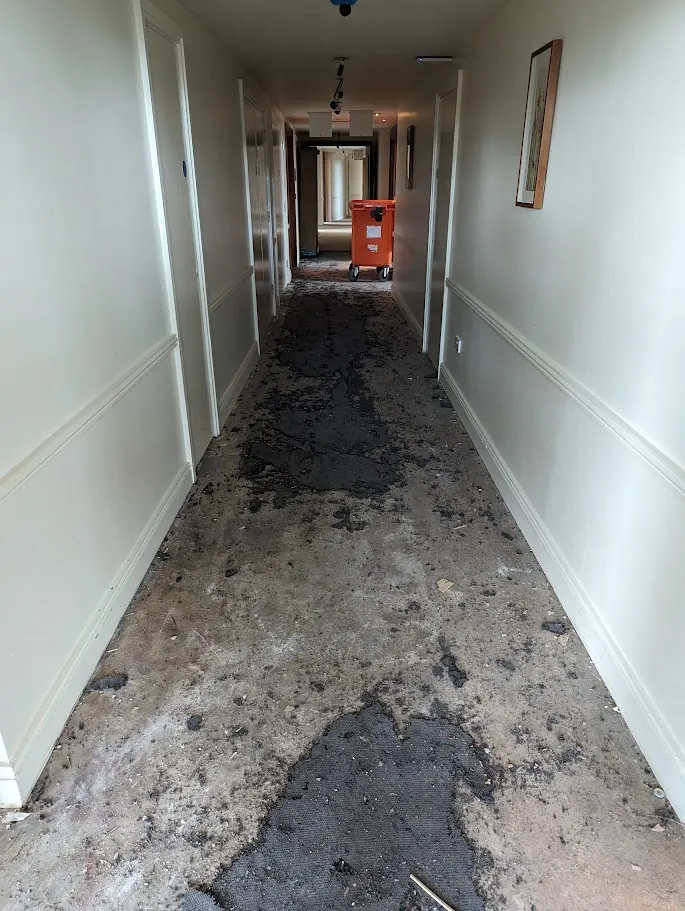
A floor of bedrooms can involve mattresses, bed bases, headboards, bedside cabinets, desks, wardrobes, chairs, mirrors, lamps, televisions and loose furnishings. Where hotel management is replacing furniture in stages, each room or block can be identified by floor and room number, with a written list of items that stay and items that leave.
Door sizes, goods-lift dimensions and the routes through guest corridors are important. If lifts cannot take large furniture, stair handling and the available loading areas must be assessed before a programme is agreed.
Remove agreed reception seating, tables, freestanding displays and other loose furnishings while protecting surfaces and access routes as required.
Clear suitable tables, dining chairs, banquette seating and loose decorative items. Fixed bar installations and plumbing require a separate specification.
Coordinate the clearance of chairs, tables, mobile staging and audiovisual equipment that has been properly disconnected and inventoried.
Assess staff furniture, stores, housekeeping equipment and redundant contents. Commercial kitchens or specialist plant may require dedicated contractors.
Hotels undergoing a change of brand often need old carpets, curtains, selected joinery and other interior finishes removed before refurbishment begins. We can discuss carpet uplift, selected non-structural removals and clearance of obsolete furnishings in a separately specified work package.
We do not treat electrical disconnections, plumbing, fire protection, structural work or asbestos as routine clearance tasks. These must be addressed within the wider refurbishment programme by competent specialists.
A hotel may still be trading while bedrooms are being refurbished. Planning can include floor-by-floor works, segregated service routes, scheduled collection windows and agreed periods for using goods lifts. At each stage we should know which guest areas are in use, which are handed to contractors and who is responsible for site inductions and access.
For closed hotels, the objective may instead be an efficient clearance ahead of sale, demolition or a complete fit-out. In either case, an accurate inventory and a named decision-maker reduce the risk of removing items needed elsewhere.
Furniture suitable for reuse may be separated from waste that needs collection and recycling. The destination depends on condition, agreed ownership, market suitability and the disposal arrangements. Waste documentation and any regulated waste streams should be discussed at survey stage.
Send the hotel location, number of bedrooms, areas involved, proposed start and handover dates, lift or loading restrictions, and whether the site will remain open. A floor plan, room inventory and photographs will help scope the job. Where useful, we can also discuss wider refurbishment requirements with our associated contractors.
Dedicated hotel clearance website: Visit Ravenhill Clearance Services — hotel and FF&E clearance. The newer specialist subdomain hotel.clearance-services.uk is also listed; please verify that it is live before directing customers there exclusively.
Send the scope, postcodes and dates so we can discuss the right arrangements.