Driving in Colorado vs UK
Benefits

Benefits
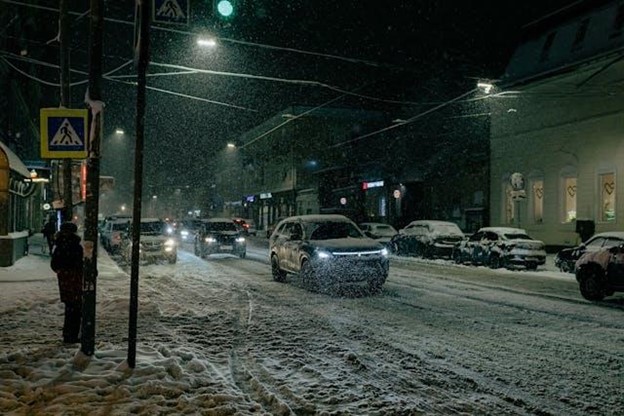
Winter driving exposes differences that remain hidden during warmer months, especially for expats. Driving in Colorado vs the UK is less about skill and more about expectation, preparation, and local norms. Colorado assumes drivers will continue moving despite snow, while the UK assumes conditions will slow everyone down. As a result, expats often misjudge timing, spacing, and risk. Learning these contrasts before winter arrives can reduce stress and improve safety. Winter driving often reflects local systems rather than universal rules, so adapting quickly is crucial.
The weather becomes a daily factor when moving to a new city, particularly in winter. Colorado winters bring dry cold, sharp temperature swings, and heavy snowfall that stays visible. By contrast, UK winters remain damp, with light snow turning roads slick for days. As a result, surface conditions behave differently. Colorado drivers often deal with packed snow, while UK drivers face black ice and standing moisture. Therefore, confidence levels shift quickly. Expats who expect similar reactions in both places often feel surprised. Understanding how climate affects road behaviour helps drivers reset expectations early.
Seasonal change complicates plans for anyone relocating in cold weather because driving conditions shape every moving decision. Moving during winter in Colorado often involves elevation changes, mountain passes, and sudden closures that directly affect route choice and timing. Travel windows matter, since a clear morning can turn into an impassable stretch by afternoon. In the UK, winter relocation focuses more on congestion, reduced daylight, and slower urban movement that limits visibility and reaction time. As a result, progress feels uneven rather than fully blocked. Expats who overlook how winter driving affects relocation logistics often rush decisions.
Road layout strongly influences winter habits. Colorado roads often stay wide, clearly marked, and designed for long distances. Snow removal restores lanes quickly, allowing traffic to resume. Therefore, drivers regain speed once conditions stabilise. UK roads remain narrow, curved, and bordered by buildings or parked cars. Ice reduces usable space immediately, which limits movement. Consequently, caution becomes the norm. Expats used to one system often misjudge the other. Learning how design affects winter behaviour helps drivers adapt without frustration or risk.
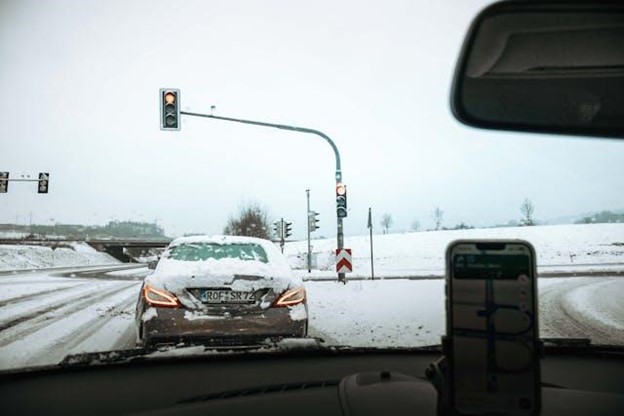
Winter driving highlights American priorities vs. U.K. city thinking. In Colorado, personal schedules usually continue despite snow. Preparation supports independence and mobility. In the UK, winter conditions often justify delays, and shared systems slow down together. Therefore, patience carries more value than speed. These attitudes affect spacing, signalling, and tolerance for disruption. Expats who expect urgency in the UK may feel boxed in. Those expecting hesitation in Colorado may feel pressured. Recognising these cultural defaults helps drivers stay calm and adjust their behaviour appropriately.
Vehicle selection reflects winter expectations. Colorado drivers often rely on all-wheel drive, higher clearance, and winter-rated tyres. These features support travel through snow rather than avoidance. In the UK, compact vehicles dominate due to narrow streets and limited parking. Winter tyres remain uncommon. As a result, confidence levels differ during storms. Expats bringing UK habits to Colorado may feel under-equipped. Those bringing larger vehicles to UK cities may struggle with space. Matching vehicle setup to regional winter demands improves control and comfort.
Legal expectations change with the weather. Colorado enforces traction laws during snow events, especially in mountain areas. Drivers must meet equipment standards or stop travelling. Enforcement remains visible and predictable. In the UK, winter driving relies more on advisories than mandates. Drivers depend on judgment rather than requirements. Because of this, behaviour varies widely. Expats who misunderstand enforcement risk fines or unsafe travel. Learning how winter laws operate locally prevents confusion and supports safer decisions during storms.
Winter driving assumes different levels of self-reliance. In Colorado, long distances and terrain require preparation. Drivers often carry supplies for delays or closures. In the UK, dense services and short distances reduce this need. Assistance usually arrives quickly. Therefore, expectations differ. Expats accustomed to UK conditions may feel exposed in Colorado winters. Adjusting emergency planning to local realities builds confidence and reduces anxiety when delays occur.
Choosing to relocate to a new city during winter demands realism. Colorado winter driving rewards preparation and restraint. UK winter driving rewards awareness and patience. As a result, expats benefit from observing local habits before severe weather arrives. Short practice trips help build familiarity with routes and conditions. Winter relocation succeeds when drivers accept learning as gradual rather than immediate. Respecting local winter norms supports smoother daily routines and fewer mistakes.
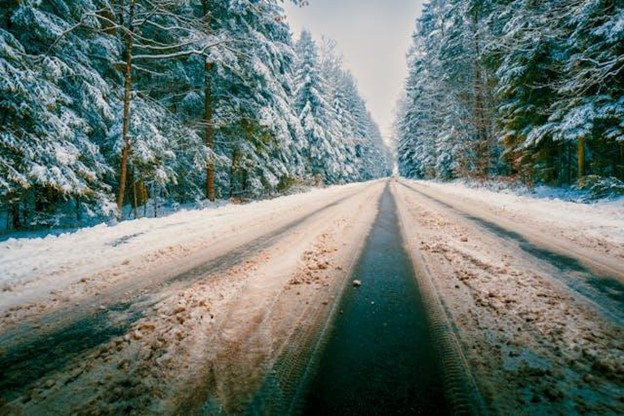
Visibility challenges differ across regions. Colorado drivers face glare from the sun reflecting off the snow, hiding ice patches in shaded areas. UK drivers face low light, drizzle, and glare from wet pavement. Because of this, speed decisions require constant adjustment. Expats used to one pattern often misjudge the other. Understanding how visibility shifts during winter helps drivers slow down at the right moments rather than reacting late.
The main contrast in driving in Colorado vs the UK lies in expectations. Colorado expects preparation and continued movement. The UK expects adjustment and delay. Neither system rewards rushing. Drivers who understand this difference respond more calmly to winter disruptions. Accepting local norms reduces frustration and improves safety across both settings.
For expats, success with driving in Colorado vs the UK depends on releasing assumptions. Winter exposes habits faster than any other season. Learning how climate, roads, and culture interact builds confidence over time. Preparation, patience, and observation matter more than prior experience. Once drivers accept that winter rules change by place, daily travel becomes safer and more predictable.