Removals Blog
Finding the Right Neighborhood

Finding the Right Neighborhood

Choosing a neighborhood reflects more than geography, it reflects identity. People seek safety, belonging, and a sense of order that matches their rhythm. Across the ocean, differences between American priorities vs. U.K. city layouts highlight how deeply culture shapes comfort. In the United States, residents favor wide streets and freedom of movement. In the U.K., people value proximity, history, and local access. Before the search begins, practical help such as house removals in Sheffield reminds newcomers that relocation is both emotional and logistical. To find your ideal community, look beyond property type. Think about what kind of daily life each environment supports.
Every neighborhood tells a story about values. Across the United States, personal space often stands at the heart of that story. Streets stretch wider, homes sit farther apart, and cars define mobility. The design mirrors a cultural belief in independence. Each driveway signals control, each lawn reflects ownership.
Yet behind this ideal lies structure. Zoning rules separate residential, commercial, and industrial areas with precision. People can predict what surrounds their homes, which adds comfort and stability. Suburban layouts offer predictability, an intentional buffer from urban chaos. Families grow around backyards and garages, shaping traditions that fit this model of space and privacy.
However, this comfort comes with trade-offs. Long commutes limit spontaneous social life. Public transport often takes a back seat to car travel. When every errand requires a vehicle, neighborhoods become quieter but more isolated. Still, many Americans defend this independence fiercely. For them, control over distance equals peace.
Active readers should pause here. Think about your priorities. Do you value freedom of movement, or does connection matter more? In this reflection lies the essence of balance—space versus closeness, privacy versus participation.
To sum up, the American neighborhood design offers:
This system reflects a national habit of control and individualism. Yet not everyone finds it fulfilling. Some crave the organic rhythm that older European cities offer.

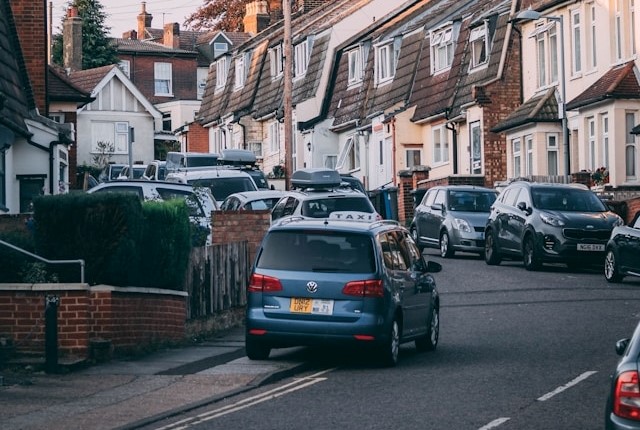
Across the Atlantic, a different kind of logic shapes life. British cities evolve from centuries of adaptation rather than planned expansion. Streets wind unpredictably, and houses stand shoulder to shoulder. Each block holds traces of the past, yet people continue to thrive in these spaces.
Here, efficiency replaces excess. Town centers combine markets, schools, pubs, and parks within walking distance. While smaller homes define many areas, public access compensates for limited private space. Narrow roads encourage walking, biking, or using buses. The rhythm feels communal rather than isolated.
Importantly, American priorities vs. U.K. city layouts expose how social interaction transforms design. Where Americans build boundaries, Britons build bridges. Pubs double as gathering spots. Corner shops nurture relationships that go beyond convenience. Residents share not only walls but daily experiences.
Still, charm comes with complexity. Ancient infrastructure limits car parking and expansion. Yet these same quirks preserve beauty and heritage. Local identity grows from shared spaces—the corner bakery, the Sunday market, the community garden. Every lane carries emotional geography.
Active engagement with such spaces deepens belonging. When streets invite interaction, neighbors become allies, not strangers. The U.K. model shows that compactness can enrich rather than restrict. Walkable layouts and public transport create rhythm and routine that connect people naturally.
In the end, this heritage teaches a lesson about balance. Space may offer freedom, but closeness builds meaning. Neighborhoods thrive when people invest effort in understanding their layout, rhythm, and spirit.
Change often arrives quietly. Across both nations, new developments blur the borders between tradition and innovation. Global design trends, climate awareness, and flexible work habits reshape how people think about home. Suburbs in the United States begin to borrow ideas from older European districts. At the same time, new British projects borrow lessons from open American layouts. This steady exchange shows how both systems evolve to meet modern needs.
For many expats, the contrast feels intense. They expect wide roads and clear parking rules, yet find narrow lanes and compact living areas. The surprise can feel overwhelming at first, which makes preparing for culture shock essential. Those who explore what expats wish they knew before moving to the UK gain insight before they arrive. They learn how transport, local services, and daily details influence comfort and adaptation.
Urban planners in both regions now design with people, not just property, in mind. Shared gardens, bike routes, and flexible zoning reveal a new middle ground. Walkable American suburbs rise near tech centers. Meanwhile, modern U.K. housing estates offer larger plots and open driveways. The result is a fusion that softens extremes while honoring local character.
Interestingly, American priorities vs. U.K. city layouts act as a mirror of adaptation. Both sides reveal how comfort changes when distance and density shift. People who move between them discover that every block expresses a philosophy of daily life.
Emotion follows structure. A calm street slows the pace, while a busy high street sparks connection. Layout shapes mood, and mood defines satisfaction. When people relocate, they respond not only to new walls but to rhythm. Streets filled with small sounds of life make newcomers feel they belong.
In quiet suburbs, solitude heals yet can isolate. In compact city centers, constant contact grounds people. The best choice depends on temperament and routine. Paying attention to how neighborhood vibes affect post-move happiness helps movers align emotion with environment.
Comfort also depends on daily details. Access to parks, calm routes, and local cafés supports balance. A walkable layout restores energy and reduces stress.
In the end, American priorities vs. U.K. city layouts show how design stirs emotion. Buildings guide connection, sidewalks invite chance meetings, and green corners offer pause. Awareness of these patterns turns any neighborhood into a place that feels like home.
Relocation involves more than style. It requires timing, coordination, and patience. Anyone planning an international shift must expect differences in pace. Paperwork, property chains, and transport rules vary widely. Understanding how long a house move takes in each country prevents stress later.
In the United States, transactions move faster but depend heavily on private service providers. In the U.K., chains often cause delays, yet the legal framework offers clearer protection once contracts close. Early preparation always pays off.
Active readers should ask questions before committing. Compare council tax rates, property age, and access to schools. Evaluate not just cost but long-term convenience. Neighborhoods that match personal values will always support smoother adjustment.

Home is not only a physical space; it is a reflection of priorities. The contrast between American priorities vs. U.K. city layouts reveals that design holds meaning. Wide or narrow, planned or organic, each system expresses what people value. The challenge lies in recognizing which rhythm matches your own. By researching, walking, and listening, you can find the balance between freedom and connection. In that awareness, a house becomes more than shelter, it becomes a personal map of belonging.